
Boomerang (1992) Character Analysis: Why Angela Stood No Chance Without Jacqueline
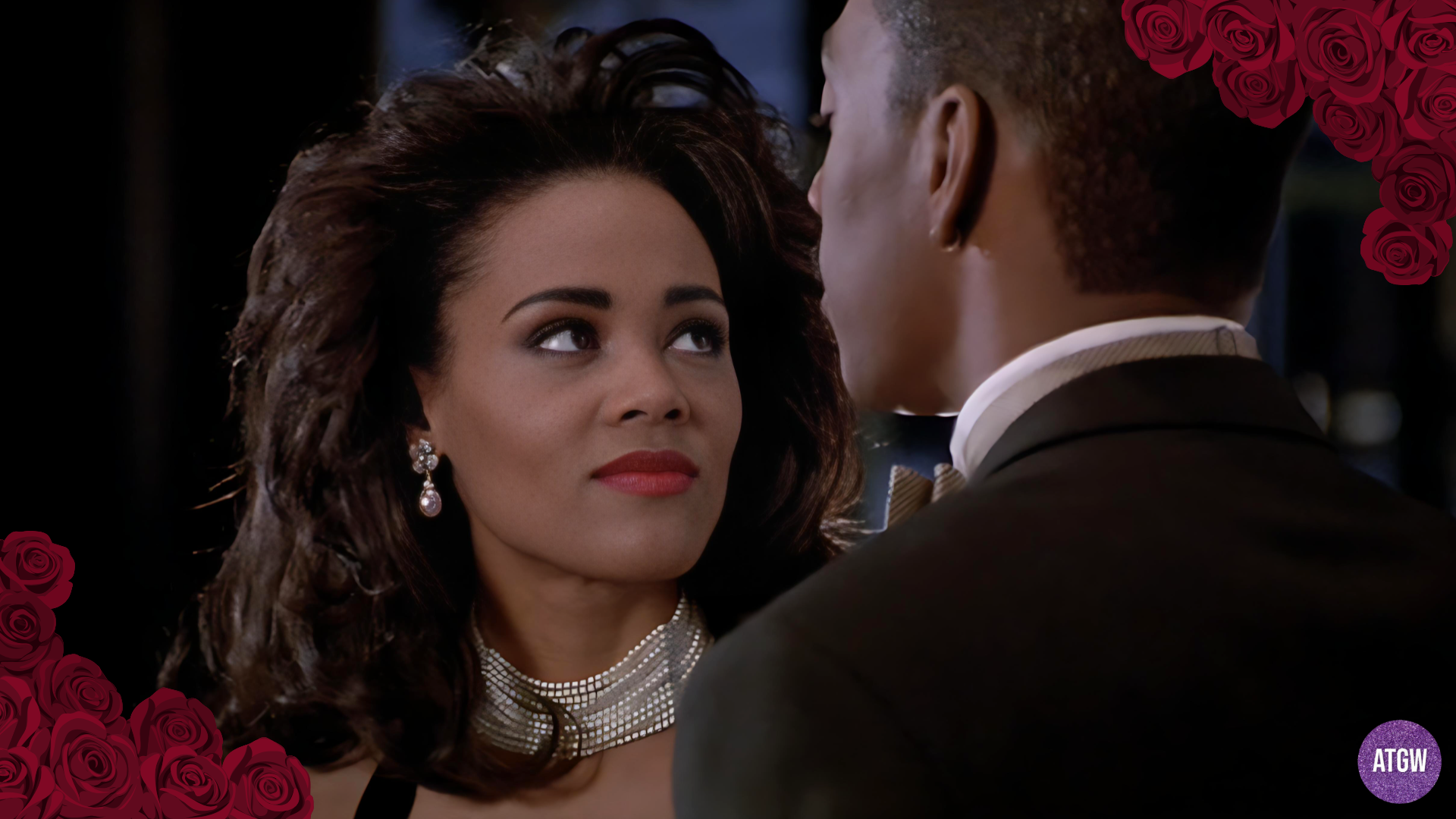
When we talk about 1992’s classic rom-com Boomerang, the conversation almost always lands on one central debate: Was Jacqueline Broderick the villain, or was she simply the karma Marcus Graham so desperately needed?
On the surface, Boomerang tells the story of an executive player who gets a taste of his own medicine before finding true love. But if you look deeper into the character dynamics between Marcus (Eddie Murphy), Jacqueline (Robin Givens), and Angela (Halle Berry), a much bigger question emerges: If Marcus had never been played and humbled by Jacqueline, would Angela ever have stood a chance?
The short answer? Absolutely not. Here is why Marcus was wired for conquest instead of compatibility and why he had to be emotionally dismantled before he could ever appreciate a woman like Angela.
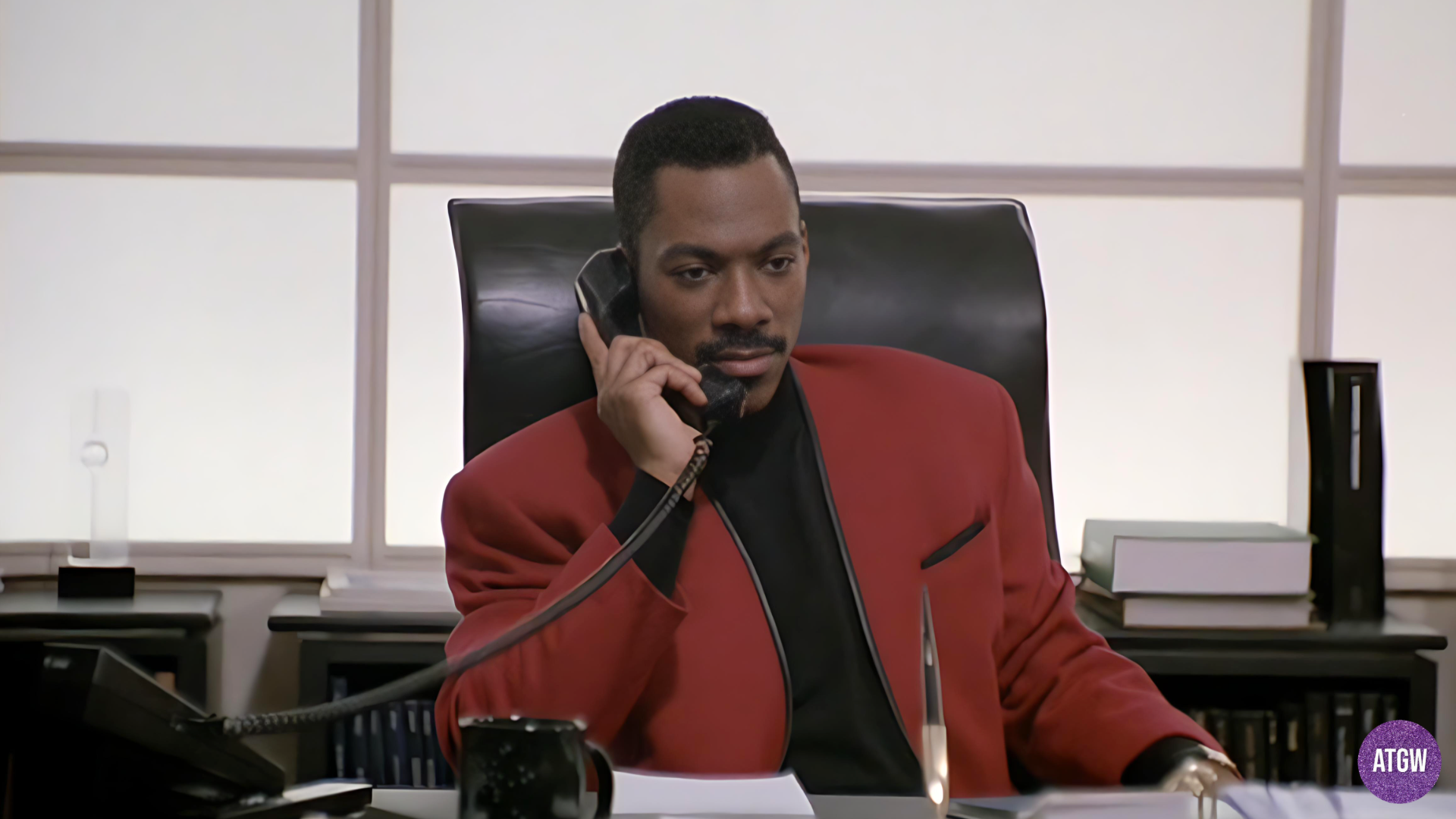
The Anatomy of a Player: Marcus’s Pre-Jacqueline Pattern
Before Jacqueline enters the picture, Marcus Graham operates at the top of his game. As an advertising executive, he treats his workplace like a playground. He understands the romance, the flowers, the cards, the mood music, but his charm is built on a foundation of emotional detachment and control.
His early flings give us a clear blueprint of his pattern:
Yvonne (Tisha Campbell): The former neighbor who calls him out for using women. Marcus brushes off her warnings because, in his mind, losing interest after sex isn't his fault, it's just "the game."
Christie (Lela Rochon): The sweet colleague Marcus manipulates by playing the lonely, misunderstood romantic. The moment physical intimacy happens, he discards her under the guise of searching for "perfection."
Lady Eloise (Eartha Kitt): The ultimate moment of irony. Lady Eloise uses the promise of corporate influence to seduce Marcus, giving him an early hint that he isn't as untouchable as he thinks.
Unfortunately for these women, Marcus isn't exactly looking for a partner. Instead, he's looking for a prize. He believes women need to be studied and conquered, and once the thrill of the chase ends, so does his investment.
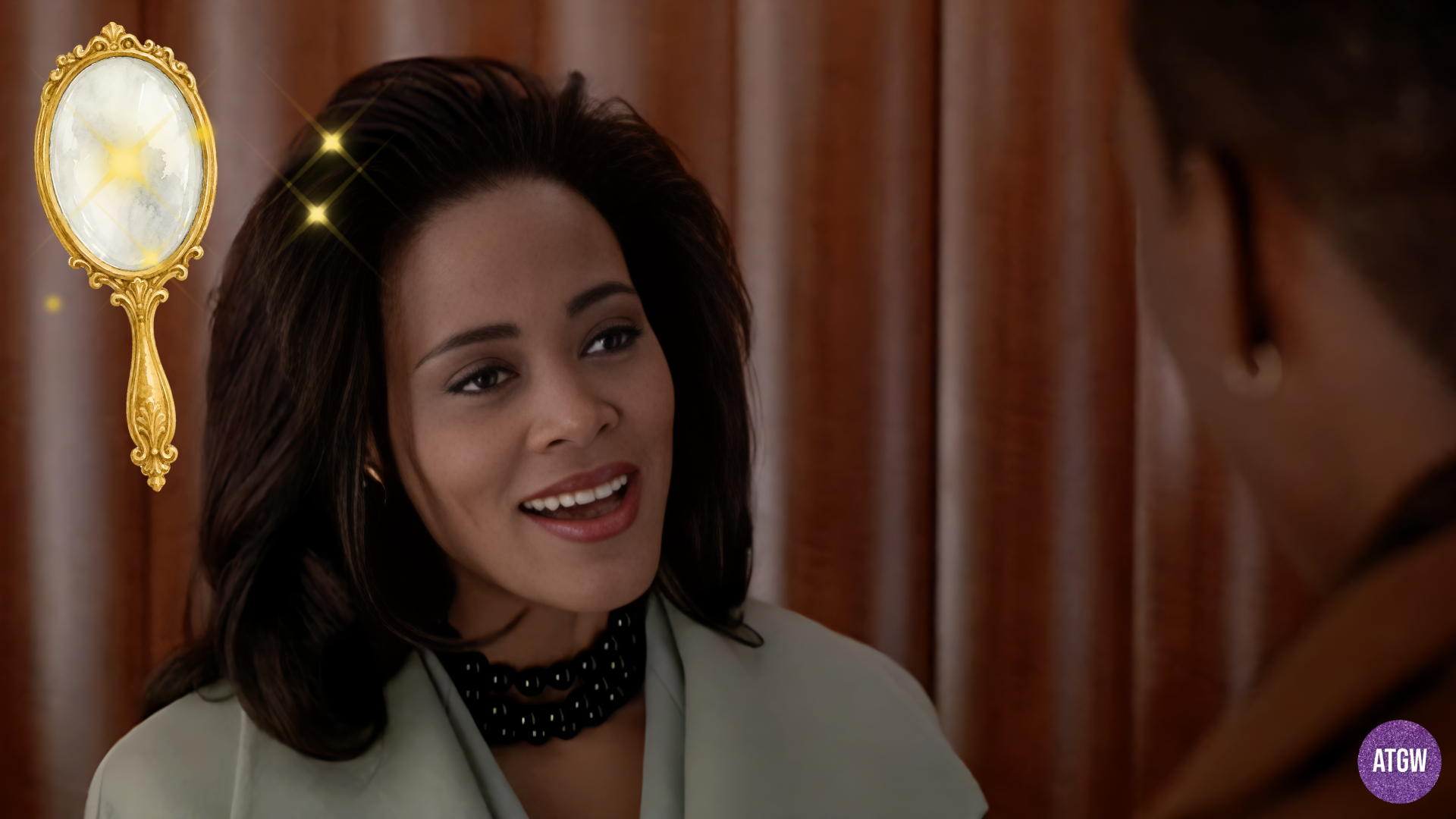
The Mirror Effect: Enter Jacqueline Broderick
Marcus assumes his encounter with Jacqueline will follow his usual script: approach, charm, seduce, and move on. Instead, Jacqueline completely flips the power dynamic.
As the new Director of Marketing, Jacqueline outranks Marcus structurally. She controls rooms through authority, schedule, and institutional backing, not social charm. More importantly, she operates with executive logic in her dating life:
She separates intimacy from commitment: She is open to physical connection without offering emotional access or exclusivity.
She refuses to adjust her life for his ego: When she tells him through her assistant that she’s unavailable for three weeks, there’s no apology or explanation.
She reflects his tactics back to him: Jacqueline delays access, prioritizes her career, and leaves Marcus guessing where he stands.
For the first time in his life, Marcus experiences the exact anxiety, uncertainty, and emotional destabilization he has inflicted on countless women. Jacqueline isn't being cruel; she is simply holding up an unforgiving mirror.
Prefer to watch the deep dive? I’ve added the full breakdown of Boomerang below. If you enjoy the video, please consider subscribing to All Things Girl World’s official YouTube channel.
Angela Lewis: The Standard Marcus Couldn't See
While Marcus is obsessing over Jacqueline, Angela is right in front of him. Introduced as a talented artist who teaches art to underprivileged kids, Angela represents integrity, vulnerability, and genuine care.
Where Jacqueline operates from a place of strategic withholding, Angela offers transparency. She expects consistency between words and actions, and she doesn't use emotional distance as leverage.
However, at the beginning of the film, Angela is completely invisible to Marcus as a romantic option. Why? Because Marcus is chasing ego validation, not emotional connection. Angela’s warmth and consistency feel "unexciting" to a man who measures a woman's worth by how hard she is to conquer.
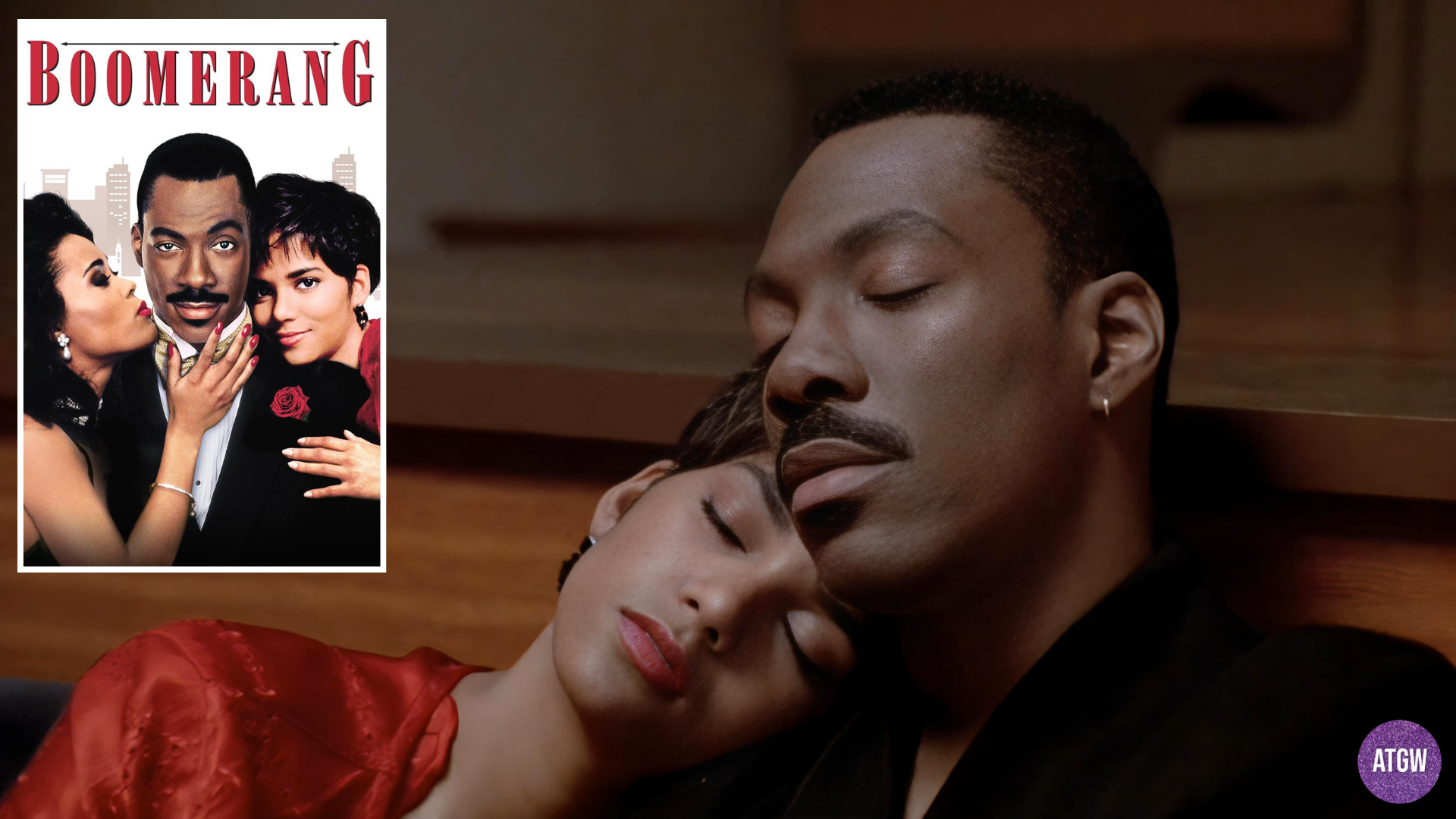
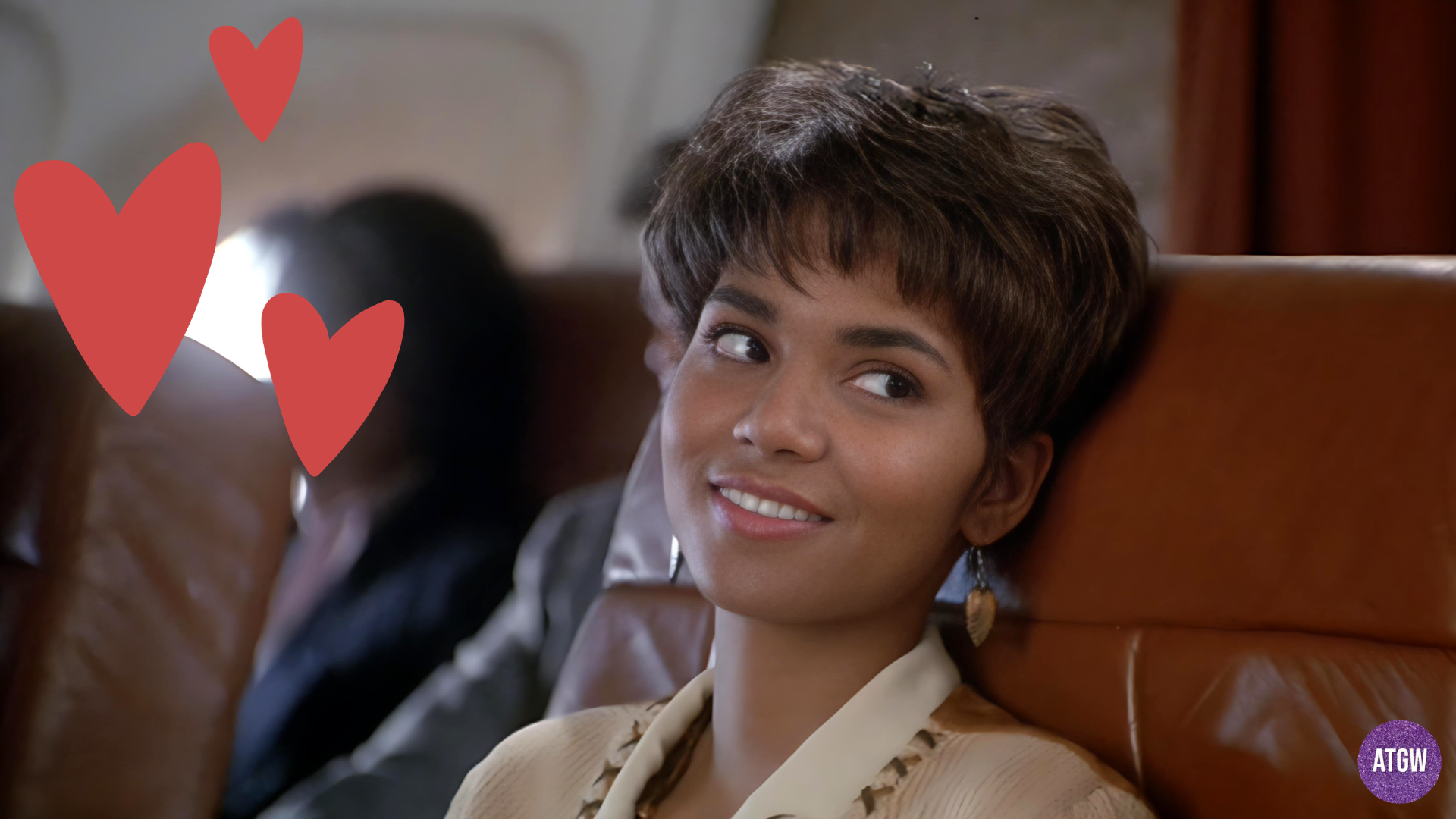
The Verdict: Why Jacqueline Had to Break Marcus First
Angela didn't change throughout Boomerang, Marcus did.
Marcus was wired to desire what resisted him. Jacqueline’s refusal to center him broken open the rigid, self-protective shell Marcus built around his heart. Being humbled by Jacqueline forced him to confront the emptiness of his womanizing habits and realize that charm without integrity yields zero real fulfillment.
Only after Marcus was emotionally exposed could he finally see Angela for who she truly was: a standard he had to rise to, not a prize to be won.
Even then, the journey wasn't seamless. Because Marcus came to Angela partially awake rather than fully healed, he still managed to hurt her. But when Angela chose herself and walked away, it delivered the final lesson Marcus needed: Real connection requires surrender, accountability, and the willingness to show up consistently.
What Do You Think?
Did Jacqueline treat Marcus unfairly, or was her behavior the ultimate act of karma? And do you believe Marcus and Angela actually lasted long-term after the credits rolled? Drop your thoughts in the comments below!
💻 READ NEXT: Was Brandi Web Really "Crazy"? Re-Evaluating A Thin Line Between Love & Hate (1996)
💻 READ LATER: What, Like It’s Hard? 5 Life Lessons Elle Woods Taught Us About Being Underestimated
